Beyond the Photos at Meat & Wine Co. Bella Vista
The photos of Meat & Wine Co. Bella Vista tend to show the same things: seared steak, glasses of wine, and modern interiors. They are useful for setting expectations, but they do not tell you how to order, what to ask, or how to get the most from a table at the Bella Vista location. The better approach is to treat the images as a starting point and pay attention to the details that do not photograph well: pacing, doneness, sides, and the wine list.
Read the room before you order
At the Bella Vista restaurant, the lighting and acoustics matter more than the decor shots suggest. Check whether the room is quiet enough for conversation and whether the service pace suits your plans. If you want a slower dinner, say so early. If you are heading to a movie or meeting, tell the server when you sit down. A good steakhouse can adjust the tempo if you ask.
Use the menu as a map, not a photo album
The menu at Meat & Wine Co. is built around steak, but the useful questions are about provenance, aging, and preparation. Ask which cuts are grass-fed or grain-fed if that matters to you, how the steaks are cooked, and whether any specials are available that day. The server should be able to explain the difference between the ribeye and the fillet without reciting marketing copy. If you are ordering for a group, ask for the steaks to be sliced and shared rather than guessing at individual portions.
Order steak by doneness and cut, not by photo
A ribeye and a fillet do not behave the same way on the grill. Ribeye carries more intramuscular fat, so it stays juicy at medium-rare and medium. Fillet is leaner and benefits from careful cooking; well-done fillet is a harder ask. If you want a charred crust and a red center, say that plainly. If the steak arrives overcooked, send it back. That is not fussy; it is the point of ordering steak at a steakhouse.
Pair wine with the cut, not the label
Meat & Wine Co. has a deep wine list, and the simplest way to use it is to match weight to weight. A marbled ribeye or porterhouse can handle a full-bodied Cabernet Sauvignon or Shiraz. A leaner fillet works better with Pinot Noir or Merlot. Sauce changes the equation: a creamy sauce can take a richer wine, while a peppercorn sauce can handle something with more spice. If you are unsure, ask for a glass rather than committing to a bottle.
Do not treat sides and dessert as afterthoughts
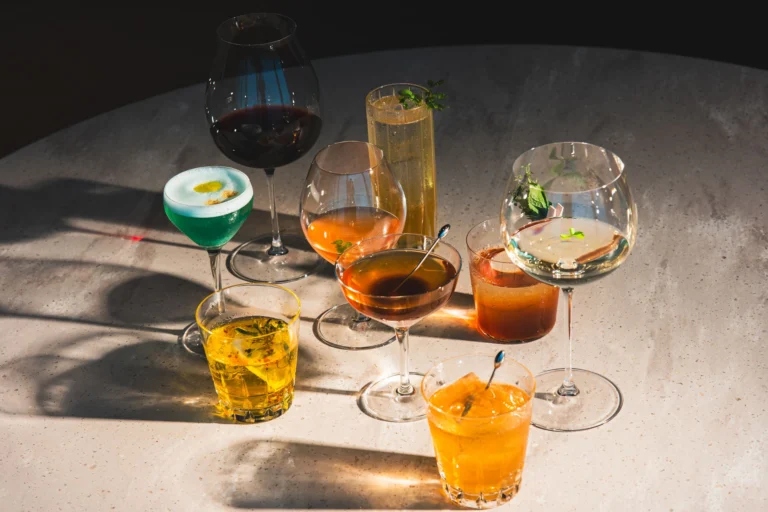
The sides at a steakhouse often decide whether the meal feels balanced. Order one or two vegetables or potatoes for the table rather than one per person. The dessert menu is worth checking before you order entrees if you want to leave room. The drinks list goes beyond wine, with cocktails, beer, and spirits; a house cocktail or a local beer can work as an opener while you decide on the wine.
Reservations and timing
Bella Vista can fill up on weekends. Book at least a week ahead for Friday or Saturday dinner, and earlier for larger groups or special occasions. Ask about seasonal specials when you book or when you sit down. They are often the best way to see what the kitchen is doing beyond the standard steak list.
What to look for in the meat
Marbling is the main visual cue: fine, evenly distributed fat in the steak usually means more flavor and tenderness. The meat should look a vibrant red, not dull or brown, and feel firm and slightly moist, not slimy. Cut matters as much as grade. Ribeye gives you richness, fillet gives you tenderness, and porterhouse gives you both sides of the strip and tenderloin. Order the cut that matches how you actually like to eat, not the one that looks best in a photo.
Wine and steak pairing basics
- Rich, marbled steaks such as ribeye and porterhouse: full-bodied reds such as Cabernet Sauvignon and Shiraz.
- Leaner steaks such as fillet: lighter reds such as Pinot Noir and Merlot.
- Creamy sauces: richer wines. Peppercorn sauces: wines with more spice or structure.
Engage the staff, but ask useful questions
The staff can tell you what is selling, what is in season, and how the kitchen is cooking the steaks that night. Ask about the specials, the best cut for two people, and whether a wine is available by the glass. Those questions get you better information than asking what is popular. They also make it easier to flag dietary needs, including vegetarian options. Meat & Wine Co. is steak-led, but the menu includes salads, vegetable sides, and pasta dishes, so ask what can be adapted.
Put the phone down for the main course
The photos are fine for the first few minutes. After that, the meal is better without a camera in the way. Steak cools quickly, wine opens up, and the table conversation is the part you cannot photograph. If you want a record, take one shot before you start and then leave the phone alone.
FAQ
What is the best cut of steak at Meat & Wine Co. Bella Vista?
There is no single best cut. Ribeye is the choice for marbling and flavor; fillet is the choice for tenderness. Ask the server which cut is cooking best that night and order accordingly.
How far ahead should I book?
For weekend dinner, book at least a week ahead. For larger groups or special occasions, book earlier. If you are flexible, ask about earlier or later seating times.
Are there vegetarian options?
Yes. The menu includes salads, vegetable sides, and pasta dishes. Tell the server about dietary requirements when you sit down so the kitchen can confirm what is available.
If your company or product is mentioned in this article, you're welcome to share it.