What a standard drink means
In Australia, a standard drink contains 10 grams of pure alcohol. That measure stays the same across beer, wine, and spirits; what changes is the volume you need to pour to reach it. Other countries use different gram amounts, so check local guidance if you are outside Australia. For wine, the key variables are the glass size and the wine’s alcohol by volume (ABV).
Common wine glass sizes
Glass size affects how easy it is to over-pour, but it does not define a serving. A standard wine glass usually holds 300-360ml. Oversized glasses can hold 400ml or more and are common in restaurants and homes. Smaller glasses, often used for dessert wines, hold about 200-250ml. The amount poured matters more than the glass’s maximum capacity.
Calculating a standard drink by ABV
Use the wine’s ABV to estimate the pour. For 12-13% ABV wine, a standard drink is about 100ml, roughly one-third of a 300ml glass. For 13-14% ABV, it is about 90ml. Fortified wines such as port or sherry are usually 17-20% ABV, so a standard drink is around 60ml. If you want accuracy, measure 100ml of water into your usual glass once or twice so you can recognize the level.
Practical pouring cues
You do not need a measuring cup every time. With a standard 300ml glass, filling it about one-third full is a useful starting point for 12-13% ABV wine. In many glasses, the widest point of the bowl sits near the 100-120ml mark, so pouring to that level is another visual guide. Practice with water first; it is easier to judge a familiar level than to guess from the bottle.
Drink mindfully and pace yourself
Standard drinks help you track alcohol, but pace and context matter too. Sip slowly, drink water between glasses, and eat food with wine. Know your own tolerance and do not feel obliged to match another person’s pace. At social events, it is fine to decline a refill or switch to a non-alcoholic drink.
Match the glass to the wine
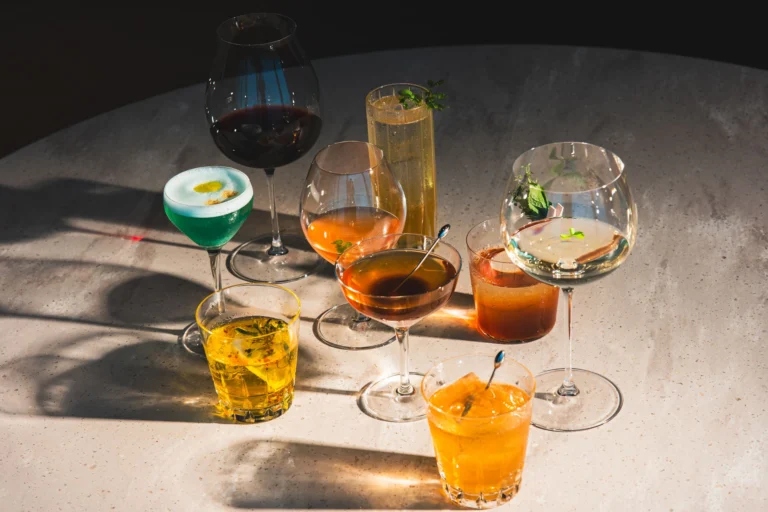
Glass shape affects aroma and temperature more than standard-drink size. Red wine glasses generally have larger bowls that help wine breathe. White wine glasses usually have smaller bowls that help keep the wine cooler and preserve delicate aromas. Sparkling wine flutes are tall and narrow to preserve bubbles. Choose the glass for the wine, then measure the pour by volume.
Common mistakes
Over-pouring is the most common error, especially with large glasses. Ignoring ABV is another: a 14.5% wine delivers more alcohol per millilitre than a 12% wine. Refilling too quickly and drinking on an empty stomach also make it harder to keep track. Check the label, pour deliberately, and give yourself time between glasses.
Legal limits and driving
If you plan to drive, know the blood alcohol content (BAC) limit where you are. In many places the legal limit is 0.05%. Penalties for exceeding it can include fines, licence suspension, and imprisonment. Standard-drink estimates are a planning tool, not a guarantee that you are under the limit; factors such as body size, food, and time affect BAC.
Wine in social settings
Wine is often part of dinners, gatherings, and celebrations, where conversation can make it easy to lose count. Keep your glass where you can see it, alternate with water, and decide your limit before you start. Responsible enjoyment is about staying in control while still taking part.
Standard drink measures by wine type
| Wine type | Typical ABV | Standard drink | Notes |
|---|---|---|---|
| Light-bodied white, such as Pinot Grigio | 12-13% | 100ml | Serve chilled; crisp and refreshing. |
| Medium-bodied red, such as Merlot | 13-14% | 90ml | Versatile and food-friendly. |
| Full-bodied red, such as Cabernet Sauvignon | 14-15% | 85ml | Rich, structured flavors. |
| Rosé | 12-13% | 100ml | Serve chilled; fruity and floral. |
| Sparkling wine, such as Prosecco | 11-12% | 110ml | Effervescent; often served in a flute. |
| Fortified wine, such as Port | 19-20% | 60ml | Small portions; rich and sweet. |
FAQ
Is a standard drink the same for all alcohol?
The alcohol content is the same, 10 grams of pure alcohol in Australia, but the volume differs by beverage strength. A standard drink of beer, wine, or spirits will not be the same number of millilitres.
How can I measure a standard drink at home?
Use a measuring cup the first few times. Pour 100ml into your usual wine glass for a 12-13% ABV wine, note the level, and use that as your reference. Repeat with water if you want to practise without wasting wine.
What happens if I regularly exceed standard drink guidelines?
Regularly drinking above guidelines raises the risk of liver damage, some cancers, heart problems, and mental health issues. It can also impair judgment and coordination, increasing the chance of accidents. If you are unsure about your drinking, speak with a health professional.
If your company or product is mentioned in this article, you're welcome to share it.