What a Corner Wine Store Actually Is
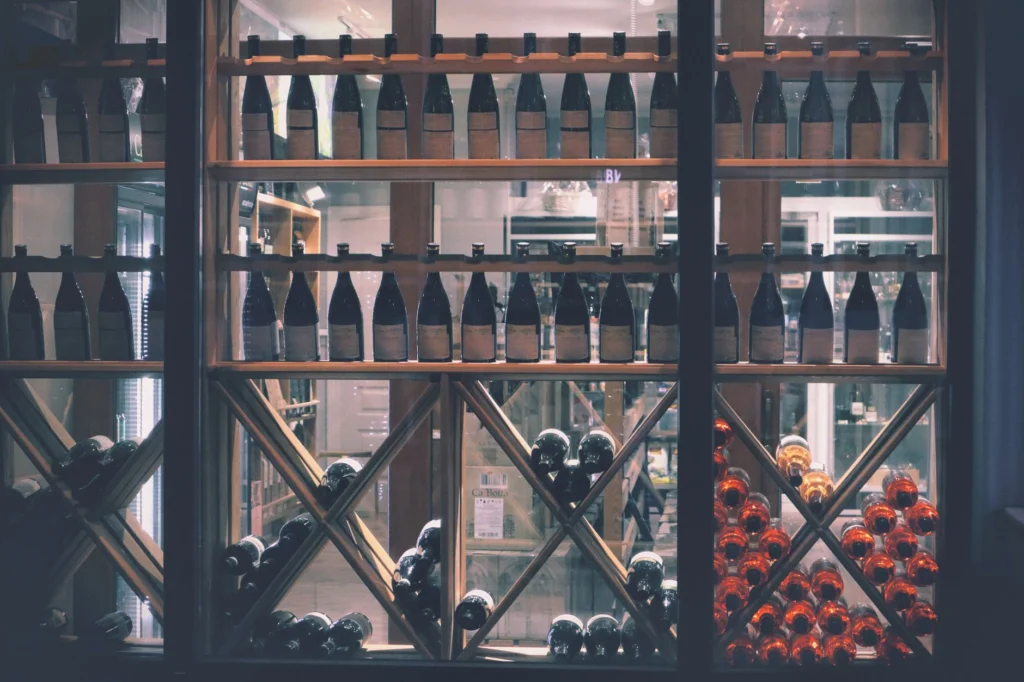
Corner wine stores are small, often independent shops. The useful question is not whether they can match a big-box retailer bottle for bottle. They usually cannot. The better question is whether the shop’s smaller inventory is edited with purpose: a region, a group of importers, natural wine, or everyday bottles at a few price points.
Myth 1: Small Selection Means Narrow Choice
A small shop may stock fewer labels, but selection is not only a numbers game. A well-run corner store might carry 300 to 600 bottles and still cover sparkling, white, red, rose, and dessert wine. The difference is that the owner has to choose. That can mean fewer mass-market brands and more bottles from small importers, family growers, or nearby distributors. Ask what the shop specializes in. If the answer is everything, look for a coherent set of producers and regions instead.
Staff knowledge matters more in a small shop because the inventory changes. A good owner can tell you which bottle is drinking well now, which needs time, and which is the best value under a set price. That is more useful than a shelf of 40 nearly identical Pinot Grigios.
Myth 2: Corner Stores Are Always Overpriced
Small shops buy in smaller quantities, so they can pay more per bottle than a chain. That does not mean every bottle is more expensive. Prices vary by importer, region, and allocation. Some corner stores price everyday wines competitively and make their margin on special orders or rare bottles. Others charge a convenience premium. The practical test is simple: compare two or three bottles you know against a large retailer or an online price. If the gap is small, the advice and convenience may be worth it. If the gap is large across the whole shelf, the shop is not competing on price.
Ask about mixed-case discounts, loyalty cards, and closeout bins. Many small shops would rather move the last three bottles of a wine than keep them on the shelf.
Myth 3: Small Shops Ignore Storage
Storage is a fair concern. Wine suffers from heat, direct sun, and vibration. A small shop may not have a dedicated climate-controlled room, but it can still store wine properly. Look for air conditioning, shaded shelves, and a back room that stays cool. Check whether reserve bottles sit in a wine fridge. Ask how quickly stock turns over. A shop that sells through its inventory every few weeks is less likely to have bottles sitting in heat for a year.
Inspect the bottle before you buy. A protruding cork, seepage around the capsule, or a label that looks sun-bleached are reasons to pass. Dust is not automatically bad, but dust on a current-release white wine is a sign the bottle has been there too long.
Myth 4: The Staff Cannot Help
Some corner store clerks are not wine specialists. That is true. But many small wine shops are run by people who have worked in restaurants, importers, or distribution. They may not have a sommelier pin, but they can answer basic questions: Is this wine dry or off-dry? Is it ready to drink? What would you serve with roast chicken? A good test is to ask for a bottle in a style you already like and a second bottle slightly outside your usual range. If the staff can explain the difference without jargon, you are in a useful shop.
Where Corner Stores Have a Real Advantage
- Edited inventory: Fewer labels, but often a clearer point of view. You can find producers that big retailers do not carry.
- Useful advice: A good owner can save you from a bad pairing or point you to a better value at the same price.
- Special orders: Small shops can often order a specific bottle or hold an allocation for regular customers.
- Convenience: A nearby shop is useful for a last-minute bottle, a host gift, or a weeknight dinner.
- Local knowledge: Staff often know which nearby restaurants charge corkage or which distributor has a particular wine.
How to Shop a Corner Wine Store
- Ask what the shop is known for. A focus on Burgundy, Italian whites, or natural wine tells you more than a generic we have everything.
- Give a real budget. Say I want to spend $18 or I want something interesting under $30. Clear limits get better recommendations.
- Check the vintage and the fill level. For older bottles, ask about provenance. For current releases, check that the vintage on the shelf is the one you expect.
- Compare a few known bottles. You do not need to price-check the whole store. Three familiar labels will show whether the shop is competitive.
- Ask about tastings. Many small shops host informal tastings or distributor pourings. These are low-pressure ways to learn what the shop does well.
Corner Wine Store vs. Big Box Retailer
| Feature | Corner Wine Store | Big Box Retailer |
|---|---|---|
| Selection | Smaller, often curated around specific regions, importers, or styles | Larger volume and wider brand coverage, including mass-market labels |
| Price | Varies by shop; compare known bottles and ask about mixed-case discounts | Often lower on high-volume brands, less room for personal pricing |
| Service | Usually one owner or small staff; advice can be specific and ongoing | Less consistent; staff may cover many departments |
| Storage | Varies; ask about temperature control and turnover | Varies by location; volume can mean faster turnover |
| Community | Often tied to local events, restaurants, and regular customers | Less local focus |
FAQ
- Are corner wine stores always more expensive?
No. Some price everyday bottles competitively; others charge a convenience premium. Compare a few bottles you know and ask about discounts before assuming.
- How can I tell if the wine has been stored well?
Look for a cool, shaded sales floor, a temperature-controlled reserve area, and reasonable turnover. Check for seepage, protruding corks, or sun-damaged labels. Ask staff how long current stock has been on the shelf.
- What if I do not know much about wine?
Start with a style and a budget. Say what you usually drink and whether you want something similar or different. A good shop will narrow the choice rather than overwhelm you.
Conclusion
Corner wine stores are not automatically better or worse than large retailers. They are different. A good one offers a focused selection, useful advice, and a relationship that a big-box aisle cannot. A bad one is overpriced and poorly stored. The way to tell is to ask questions, check the bottles, and compare a few prices. If the shop earns your trust, it can become a more reliable source than a shelf of familiar labels.
If your company or product is mentioned in this article, you're welcome to share it.