Chatto Wine Is a Producer, Not a Grape or a Style
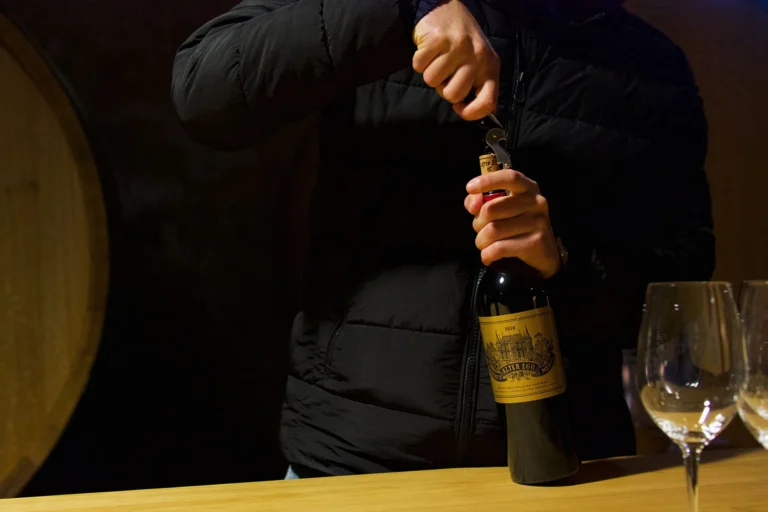
Search for Chatto wine and you will find plenty of vague descriptions that treat the name as if it were a grape variety, a region, or a loose winemaking philosophy. It is none of those things. Chatto Wines is a small Tasmanian label led by winemaker Jim Chatto. The name on the bottle is a surname, and the wines are made in limited quantities from Tasmanian fruit. That distinction matters because it changes how you read the label: you are not looking for a generic Chatto style, you are looking at the choices of a specific producer in a specific place.
Who Is Behind Chatto Wines?
Jim Chatto is a well-known figure in Australian wine. He has worked across several regions and is particularly associated with cool-climate winemaking. His career includes a period as chief winemaker at McWilliam’s Wines, and in 2014 he was named Gourmet Traveller WINE Winemaker of the Year. Chatto Wines is his own label, based in Tasmania, where the focus is on small-batch wines rather than large-volume releases. The range is centred on Pinot Noir and Chardonnay, with smaller parcels of Riesling and Gamay appearing in some vintages.
Why Tasmania Suits the Chatto Approach
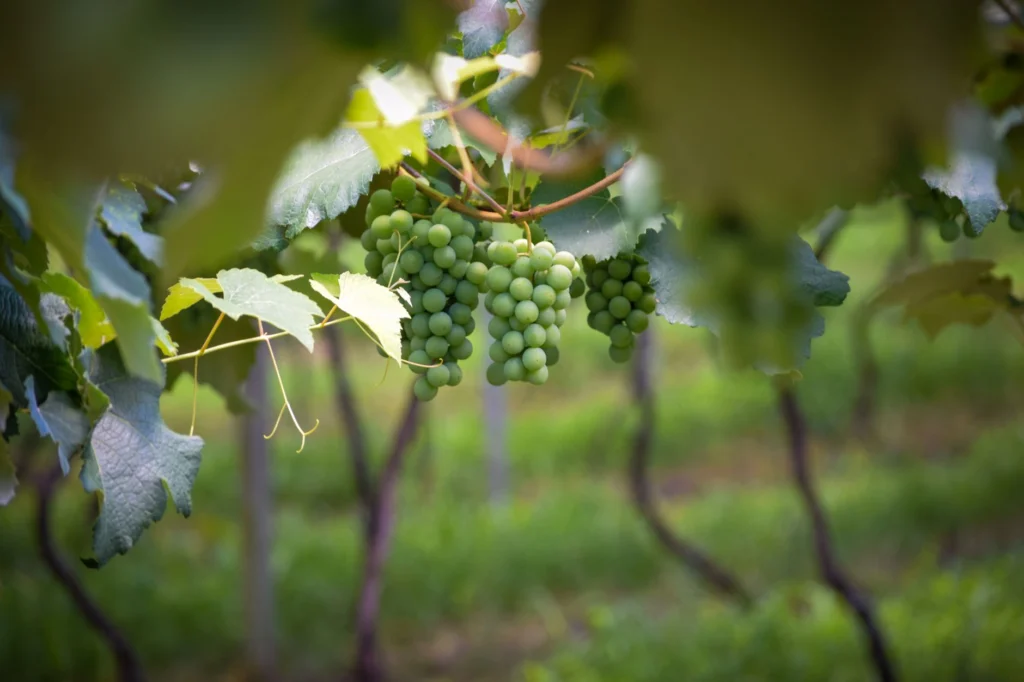
Tasmania is not a warm, generous wine region in the conventional Australian sense. It is cool, maritime, and often slow to ripen. That means grapes hang longer, retain acidity, and build flavour without piling on sugar and alcohol. For Pinot Noir and Chardonnay, the two varieties most closely associated with Chatto Wines, this is a useful combination. Pinot Noir gets perfume, red fruit, and fine tannin rather than jam. Chardonnay keeps citrus freshness and tension while still filling out in the mid-palate. Riesling from Tasmania tends to be lime-scented and steely. Gamay, where it appears, is bright and peppery rather than heavy.
Winemaking and House Style
Chatto’s wines are not built around a heavy-handed winemaking signature. The aim is to let site and vintage show, with oak used as a frame rather than a mask. In practice, that means the Pinot Noirs tend to show red cherry, cranberry, forest floor, and a savoury edge, with tannins that are fine rather than thick. The Chardonnays are usually restrained: grapefruit, white peach, almond, and a flinty note, with acidity that keeps the wine tight. These are not blockbuster wines. They are wines that reward a little attention and often look better with food than on their own.
What to Expect from the Range
The exact Chatto lineup changes with the vintage, but the core wines are consistent in intent. Pinot Noir is the red to seek out first. It is the variety that best explains the producer’s reputation: perfumed, red-fruited, and structured by acidity rather than extract. Chardonnay is the white counterpart, made in a style that sits between lean Chablis-like restraint and fuller Australian fruit. Riesling is for drinkers who want tension and citrus clarity. Gamay, when released, is the lighter red in the range, suited to charcuterie, roast chicken, and a slight chill. If you see a single-vineyard or named-site bottling, treat it as a more focused expression of the same approach rather than a different brand.
Tasting Notes and Food Pairing
Chatto Pinot Noir works well with duck, mushroom dishes, roast chicken, and pork. Its acidity cuts through richness without dominating the food. Chatto Chardonnay is a natural match for grilled fish, shellfish, roast poultry, and creamy sauces. Riesling handles spice and salt better than most whites, so it is a good choice with Thai or Vietnamese food, though the Tasmanian version will be drier and more citrus-driven than many German examples. Gamay is the picnic and lunch red: charcuterie, terrine, simple sandwiches, and soft cheese. Serve the reds slightly cool, around 14 to 16 C, and the whites at 10 to 12 C. Avoid overchilling the Chardonnay, which will mute its texture.
Buying and Serving Chatto Wine
Chatto Wines is a small producer, so availability is not universal. Specialist wine retailers, restaurants with serious Tasmanian lists, and Australian fine-wine merchants are the most reliable places to look. The wines are often released in limited quantities, and the Pinot Noir in particular can sell through quickly. If you are buying older vintages, remember that these are not heavily extracted wines. They age on acidity and structure, not on sheer weight. A five to eight year old Pinot Noir from a good vintage can be lovely, but it will be savoury and tertiary rather than fruity. Chardonnay can also age well, gaining nutty and flinty notes while keeping its line.
The Future of Chatto Wines
Chatto Wines is not a new experiment in need of hype. It is an established small producer with a clear Tasmanian identity and a winemaker whose reputation was built well before the label became a search term. The interesting question is not whether Chatto wine is the next big thing. It is whether the wines continue to reflect the cool, marginal conditions that make Tasmanian Pinot Noir and Chardonnay distinctive. On the evidence of the core range, the answer is yes. For drinkers who care about site, vintage, and restraint, Chatto is worth seeking out.
Conclusion
Chatto wine is best understood as the output of Chatto Wines, a Tasmanian label led by Jim Chatto. It is not a grape, an appellation, or a generic philosophy. The wines are small-batch, cool-climate, and centred on Pinot Noir and Chardonnay, with Riesling and Gamay playing supporting roles. They are restrained rather than showy, and they reward careful serving and food. If you have been curious about the name, start with the Pinot Noir and Chardonnay, then explore the rest of the range as you find it.
If your company or product is mentioned in this article, you're welcome to share it.