

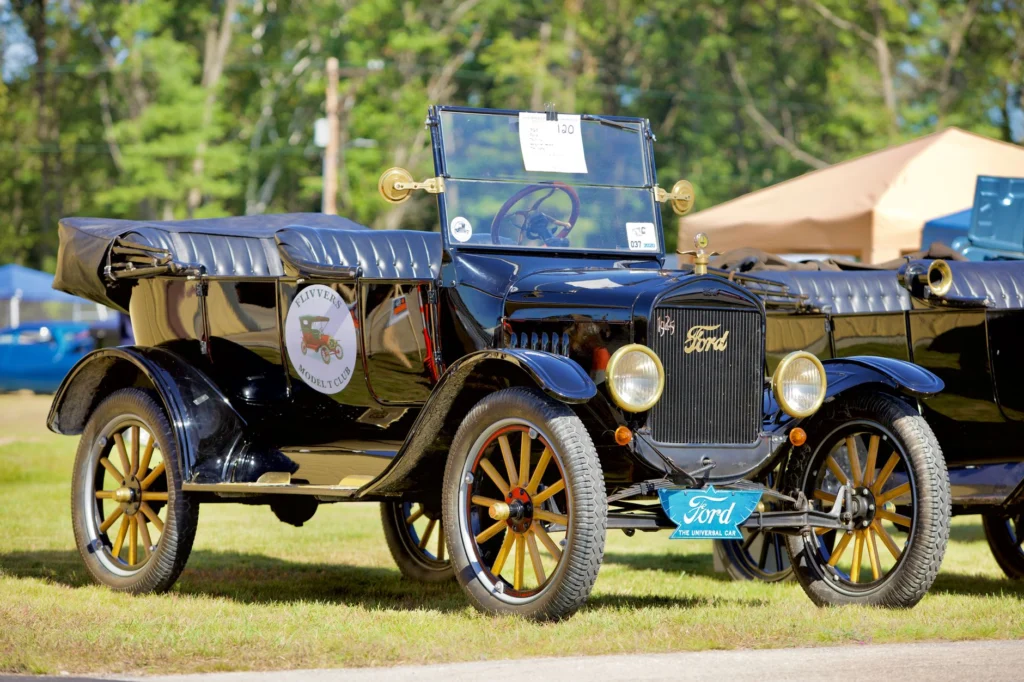
Vintage vehicle restoration is one of the areas of the car hobby where enthusiasm most reliably outruns financial sense — it’s genuinely common for a full, quality restoration to cost several times what the finished car will actually be worth on the market, which isn’t necessarily a reason to avoid it, but is a fact worth confronting honestly before starting.
The math that most new restorers underestimate
A comprehensive, professional-quality restoration — bodywork, paint, mechanical rebuild, interior — on most non-exotic vintage vehicles routinely costs well into five figures, and often considerably more once genuine unexpected issues are uncovered during teardown (rust hidden under trim panels, wiring degraded beyond simple repair), while the finished market value of all but the most desirable models frequently falls well short of covering that investment. This isn’t a reason restoration is a bad idea — it’s a reason “will this be a good investment” and “do I want to do this project” need to be honestly treated as separate questions with separate answers.
What actually determines whether the market math works out
The vehicles where a full restoration is more likely to make financial sense share specific traits: genuine rarity or strong model-specific collector demand, a documented and desirable history, and — critically — a starting condition that’s solid enough that the restoration is primarily cosmetic and mechanical refreshing rather than structural reconstruction, since structural rust repair is disproportionately expensive relative to the value it typically adds.
The honest restoration math for most vintage vehicles isn’t ‘will I make money.’ It’s ‘how much am I willing to pay for the experience of doing this, knowing I likely won’t get it back.’
The alternative most experienced collectors recommend to beginners
Experienced collectors frequently steer first-time restorers toward buying a vehicle that’s already been restored, or is in solid, largely complete original condition, rather than a cheap “project car” that looks like a bargain — the purchase price gap rarely reflects the true gap in total cost once labor and unexpected repairs are factored in, and a first restoration project is a genuinely difficult way to learn the hobby’s real costs and skills compared to starting with a car that’s already closer to finished.