

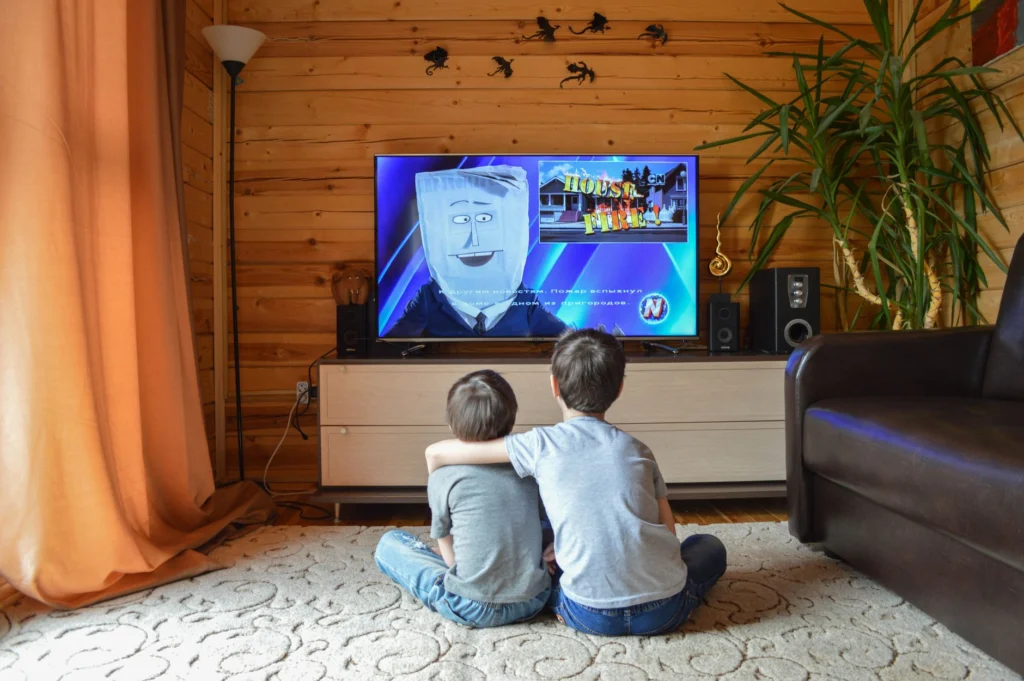
Adult animated television had a genuinely uncertain start commercially — early prime-time animated sitcoms faced real skepticism from network executives who assumed animation was fundamentally a children’s medium unsuited to adult audiences and adult advertising rates. That skepticism has been thoroughly disproven by decades of sustained commercial success, and the genre’s durability traces back to a specific structural advantage over live-action production.
The economic advantage that live-action can’t match
Animated production, once a show’s core visual style and character models are established, has a meaningfully different cost structure than live-action television — no location shooting logistics, no actor scheduling conflicts, and critically, no aging cast that eventually requires recasting or ends a show’s run, meaning a successful animated series can theoretically run for decades without the practical production constraints that eventually end most live-action series. This durability is a major reason several adult animated shows have run for twenty-plus seasons, a longevity almost no live-action series achieves.
Animation allows a specific kind of satire live-action struggles with
The medium also permits a specific comedic and satirical register that’s harder to sustain convincingly in live-action — exaggerated physical comedy, surreal tangents, and a degree of tonal whiplash between broad slapstick and genuine emotional weight within a single episode, all of which animated shows can execute with a lightness that live-action often can’t match without breaking believability. This flexibility has let adult animation tackle genuinely serious themes (family dysfunction, mental health, political satire) through a medium audiences don’t instinctively approach with the same weighty expectations as prestige live-action drama, paradoxically making some difficult material more accessible.
Animation’s economic durability and its ability to blend broad comedy with real emotional weight in the same scene is a combination live-action television has never fully replicated.
Streaming gave the genre new room to expand
The streaming era has further expanded the genre’s reach, with platforms investing in a wider range of adult animated content than broadcast television’s advertiser-driven model ever comfortably supported, allowing more genre and tonal diversity — animated horror, animated prestige drama, more niche comedic sensibilities — than the handful of long-running broadcast staples that previously defined the category almost entirely.