

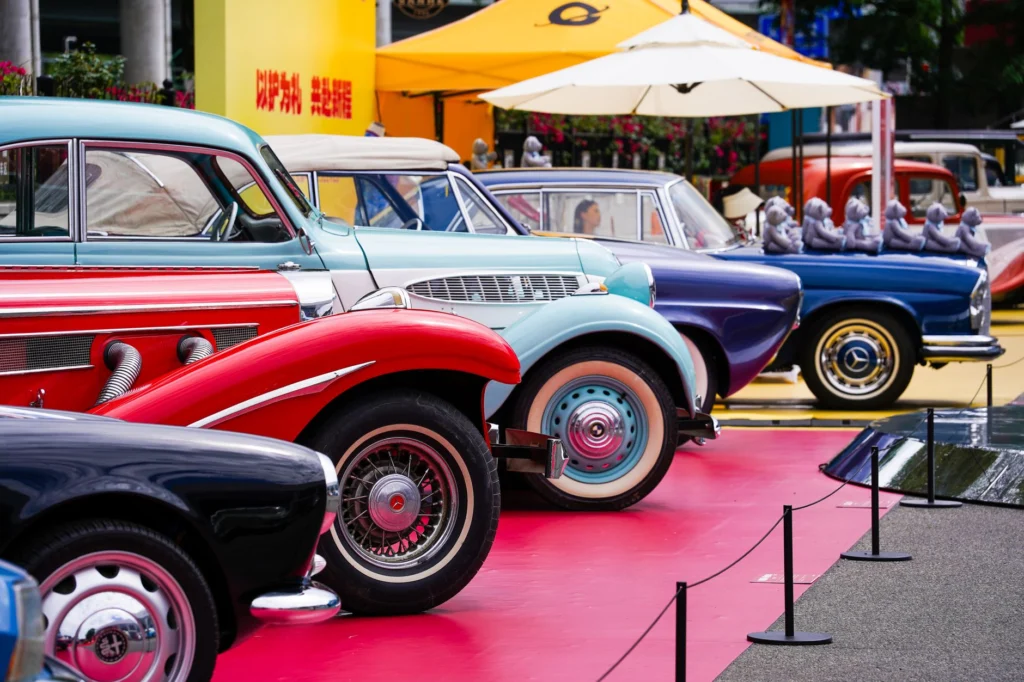
Classic car collecting looks, from the outside, like a market driven mostly by nostalgia and rarity, but auction data and serious collector behavior point to a more specific and more predictable set of value drivers, and age alone is a surprisingly weak predictor on its own.
Provenance and originality drive value more than most buyers expect
Documented history — original ownership records, matching-numbers status (confirming the engine and other major components are the originals the car left the factory with, not later replacements), and unmodified originality — consistently commands a significant premium over an otherwise identical car with an unclear history or replaced major components, even when the modified or unverified car might arguably be mechanically superior. This reflects a broader pattern in collectible markets generally: authenticity and verifiable history are treated as a form of scarcity in their own right, separate from the physical object’s condition.
Cultural and motorsport significance outweighs raw rarity
A car doesn’t need to be the rarest example of its model to command strong collector value — cultural significance (a specific model associated with a famous film, or a specific era’s design language that later became iconic) and motorsport pedigree (a road car with direct lineage to a successful racing program) both reliably drive value independent of production numbers. This is part of why some genuinely mass-produced models from significant eras command values far beyond what their original production volume would suggest, while some genuinely rare but culturally forgettable models remain comparatively affordable.
The collector car market doesn’t really price rarity. It prices story — and the cars with the most well-documented, culturally resonant story consistently outperform cars that are simply old and uncommon.
Condition grading matters, but originality often beats restoration
A meticulously restored car and a well-preserved original example in comparable cosmetic condition frequently do not command the same value — serious collectors increasingly favor genuine, unrestored originality (sometimes described in the hobby as “survivor” condition) over even an excellent restoration, on the logic that a restoration, however well executed, is by definition a departure from the exact object that left the factory, while an original survivor car is a more direct, verifiable piece of history.