

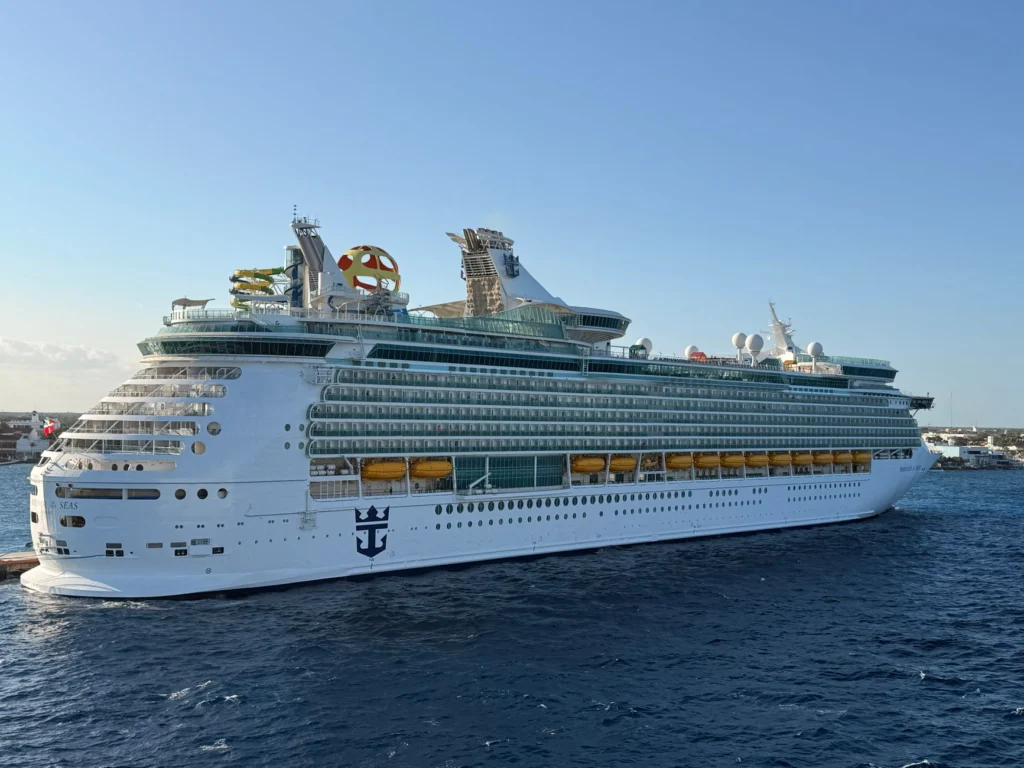
Cruise pricing structures — interior, oceanview, balcony, suite, each with multiple sub-tiers — are designed with enough complexity that most passengers end up choosing based on gut feeling and marketing rather than a clear-eyed evaluation of what they’re actually paying for. The math is more straightforward than the pricing page makes it look.
What each tier actually buys you
Interior cabins, the cheapest category, mean no window or natural light at all — genuinely fine for passengers who plan to spend most waking hours in common areas and just need a place to sleep, and a real budget lever worth taking seriously rather than dismissing as a downgrade. Oceanview cabins add a window (sometimes obstructed by lifeboats or ship structure, worth checking the specific cabin’s deck plan) but no outdoor access — a middle tier that, on many ships, delivers a smaller marginal benefit over an interior cabin than its price premium suggests, since the window doesn’t open. Balcony cabins are where the meaningful jump in experience actually happens for most passengers: private outdoor space changes the daily rhythm of a cruise noticeably, particularly on itineraries with substantial scenic sailing (Alaska, Norwegian fjords) where the view is a real part of the trip’s value.
When suites are actually worth it
Suite-tier cabins add space and often meaningful extras — priority boarding and disembarkation, dedicated concierge service, access to exclusive lounges and restaurants — that go well beyond the cabin itself, and the value calculation genuinely shifts depending on cruise length: those service perks compound more over a fourteen-night voyage than a three-night one, which is why frequent cruisers often report suites feel like better value on longer sailings specifically.
The biggest jump in real day-to-day experience isn’t interior to oceanview. It’s oceanview to balcony — which is worth knowing before you pay a premium for a window that doesn’t open.
The booking timing question
Cabin category aside, cruise pricing follows a reasonably well-documented pattern: prices are typically lowest either very early (during initial booking windows when cruise lines want to build momentum) or very late (as the sail date approaches and lines discount remaining unsold inventory), with a mediocre middle period in between often carrying the highest prices — useful to know if you have flexibility on which specific sailing date you book, rather than a fixed date you need to lock in regardless of price.