Apple’s iPhone 18 Pro and iPhone 18 Pro Max, announced September 9, 2026 and shipping September 18, represent the most significant camera and chip jump in the Pro line in several years. This is a full technical breakdown of what’s actually inside. Part of Talmyn’s full iPhone 18 and iPhone Duo launch coverage.

The A20 Pro chip: what a 2-nanometer process buys you
The A20 Pro is built on a 2-nanometer manufacturing process, a genuine node shrink rather than a smaller refinement. Smaller nodes pack more transistors into the same space, which is what makes the rest of the chip’s gains possible without a bigger battery or more heat. The chip carries a 6-core CPU with integrated Neural Accelerators built directly into the CPU cores, a 7-core GPU rated up to 40% faster than the A19 Pro’s, and a dual 16-core Neural Engine, 32 cores total, doubling on-device AI processing capacity versus last year’s chip.
Memory bandwidth is up 50% over the A19 Pro, which matters most for tasks that move large amounts of data quickly, ProRes video editing, running larger on-device AI models, and multitasking between demanding apps. A new vapor chamber cooling design allows up to a 40% gain in sustained performance during extended heavy workloads like gaming sessions or long video exports, addressing a real limitation of phone chips generally: peak benchmark numbers that throttle down after a few minutes of real use.
The camera: the first real variable aperture on iPhone
The headline camera change is a 48MP Fusion Main camera with genuine variable aperture, controlled by six laser-cut blades moving between four physical settings: ƒ/1.48, ƒ/1.8, ƒ/2.8, and ƒ/4. This is a real optical mechanism, not a software-simulated depth effect. A wider aperture like ƒ/1.48 lets in more light and produces a shallower depth of field, useful in low light or for a more pronounced background blur; a narrower setting like ƒ/4 keeps more of the scene in focus and performs better in bright conditions where a wide-open aperture would overexpose the shot.
A new computational imaging pipeline handles processing behind the scenes for sharper, more detailed results, and Photographic Styles gains new texture and grain controls for people who want a specific look rather than the default computational-photography smoothness. For anyone who wants full manual control, Pro controls now expose aperture, shutter speed, white balance, and a live histogram directly inside the Camera app, functionality that previously required a third-party app.
Video gets Cinematic effects that can now be applied after capture at up to 60fps, and 4K time-lapse in Dolby Vision HDR. Enhanced Audio Mix improves voice isolation and music separation in recorded video, useful for anyone shooting content with background noise or music playing.
Apple Reference Image: a direct response to AI photo trust concerns

Apple Reference Image is a new, opt-in feature that creates an unalterable reference version of a photo at the moment of capture, processed through Private Cloud Compute, Apple’s privacy-focused server infrastructure for AI tasks that are too demanding to run entirely on-device. The point is verification: as AI editing tools make it trivially easy to alter a photo convincingly, having an unmodifiable original on record gives a way to confirm what a photo actually looked like straight out of the camera, relevant for journalism, legal documentation, or simply proving a photo wasn’t altered.
Battery, charging, and design
The iPhone 18 Pro Max sees what Apple describes as the largest battery life increase ever on iPhone, up to 45 hours of video playback on eSIM-only configurations; the standard Pro reaches up to 36 hours. Wired charging reaches 50% in roughly 15 minutes, and wireless charging reaches 50% in 30 minutes. On the Pro Max specifically, just 5 minutes of wired charging is rated for about 7 hours of video playback, useful for a quick top-up before heading out.
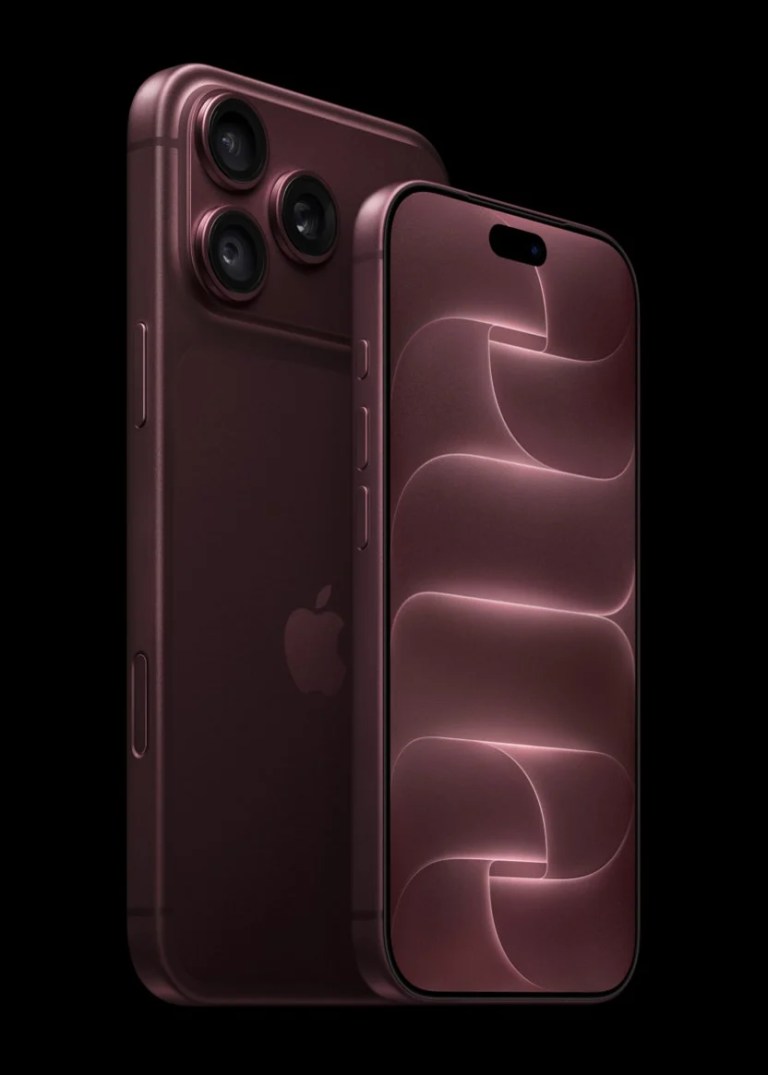
Both models come in four finishes: black, silver, glacier, and a new burgundy option. The Dynamic Island has been redesigned to show up to three Live Activities simultaneously, up from the previous single-activity display, useful for anyone tracking a delivery, a sports score, and a timer at once.
Connectivity: the N1 and C2 chips
Apple’s own N1 chip handles Wi-Fi 7, Bluetooth 6, and Thread connectivity, while a new C2 cellular modem brings AI-powered network improvements and uses 15% less energy than the previous C1X modem, with mmWave 5G support in the US. Both chips being Apple-designed rather than third-party components continues a shift toward vertical integration that started with the original C1 modem.
What people get wrong about this upgrade
The aperture control isn’t just a gimmick for professionals. While Pro controls unlock full manual adjustment, the variable aperture also works automatically behind the scenes to improve shots in a wider range of lighting than a fixed-aperture lens can handle, benefiting anyone shooting on auto, not just people who understand f-stops.
Apple Reference Image doesn’t stop someone from editing a photo. It preserves an unalterable original copy for verification purposes; it doesn’t prevent edited versions from being created or shared. The point is having something to check an edited photo against, not blocking editing itself.
The 2nm process doesn’t automatically mean dramatically better real-world battery life on its own. Process improvements make a chip more power-efficient per operation, but real-world battery gains this cycle come from a combination of the smaller process, the new vapor chamber’s thermal management, and battery capacity changes together, not the chip alone.
Frequently asked questions
What is the A20 Pro chip’s manufacturing process?
It’s built on a 2-nanometer process, with a 6-core CPU, 7-core GPU, and dual 16-core Neural Engine (32 cores total), delivering up to 40% faster GPU performance and double the AI processing capacity of the A19 Pro.
Does the iPhone 18 Pro have a real variable aperture?
Yes, a genuine optical mechanism using six laser-cut blades moving between four physical aperture settings (ƒ/1.48, ƒ/1.8, ƒ/2.8, ƒ/4), the first time iPhone has offered real aperture control rather than a software-simulated effect.
How much better is iPhone 18 Pro Max battery life?
Up to 45 hours of video playback on eSIM-only configurations, described by Apple as the largest battery life increase ever on an iPhone.
What is Apple Reference Image?
An opt-in feature that creates an unalterable reference copy of a photo at capture, processed via Private Cloud Compute, intended to let someone verify a photo’s original, unedited state later.
For the full launch picture, including iPhone Duo and complete pricing, see Talmyn’s iPhone 18 and iPhone Duo hub.