

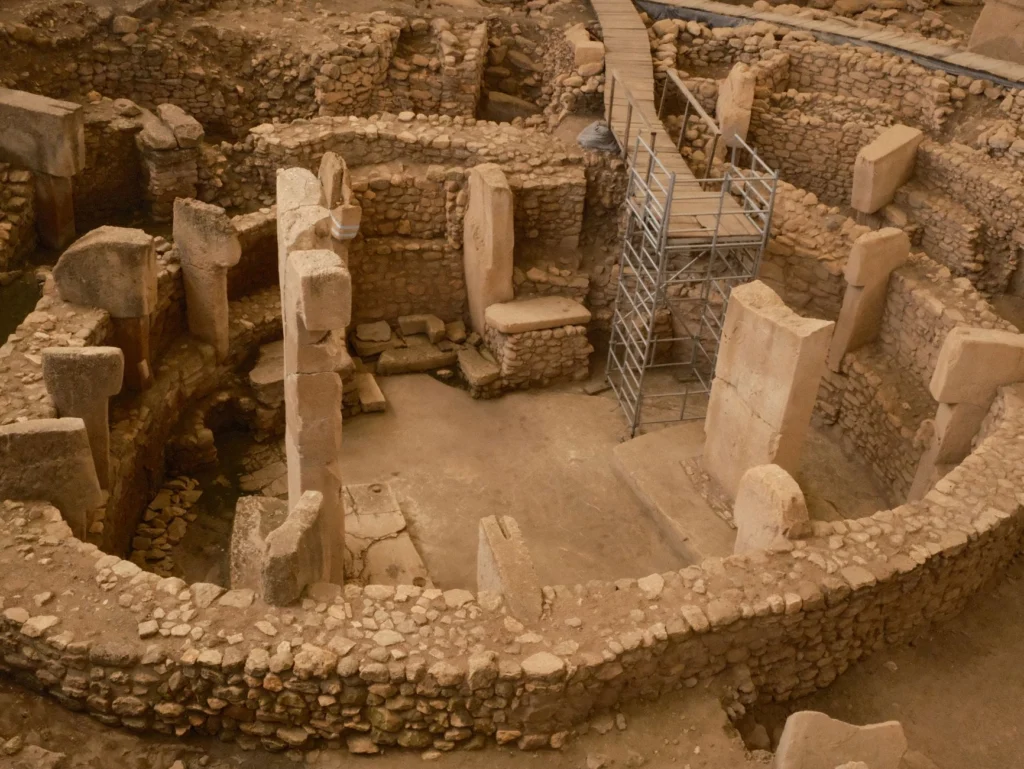
Claims about newly discovered “lost civilizations” circulate constantly online, often built around a single striking image or artifact. The actual archaeological standard for confirming a genuine, previously unknown civilization is considerably more rigorous, and understanding the process explains why professional archaeologists are often more cautious about sensational claims than online coverage suggests.
A single artifact almost never counts as proof
Legitimate archaeological confirmation of a civilization requires converging, independently verifiable evidence — stratified excavation showing organized settlement over time, evidence of a distinct material culture (consistent pottery styles, architectural methods, tool types), and ideally, corroborating evidence like written records, trade goods that link findings to known chronologies, or radiocarbon dating establishing a reliable timeline. A single dramatic find, without this broader supporting context, is treated by professional archaeologists as a genuinely interesting lead requiring further excavation, not a confirmed discovery — a much higher bar than most viral coverage of a single find implies.
Real recent discoveries followed exactly this pattern
Genuinely significant recent archaeological findings — like the extensive Maya settlement network revealed through LiDAR laser-mapping technology in Central America, showing far more extensive ancient urbanization than previously understood — were confirmed only after years of subsequent ground-truthing excavation, cross-referencing with existing historical records, and peer review, not accepted based on the initial aerial scan alone, however striking that first image was.
The gap between a viral ‘lost civilization’ headline and an actual archaeological confirmation is usually years of unglamorous excavation and peer review that never goes viral the way the initial claim did.
This is worth keeping in mind specifically because sensational lost-civilization claims (Atlantis-adjacent theories are a recurring category) routinely borrow the language of legitimate archaeology while skipping the actual evidentiary standard entirely — a genuine find and a genuinely unverified claim can look identical in a headline, and the difference only becomes clear once you check whether the underlying peer-reviewed excavation work actually exists.