

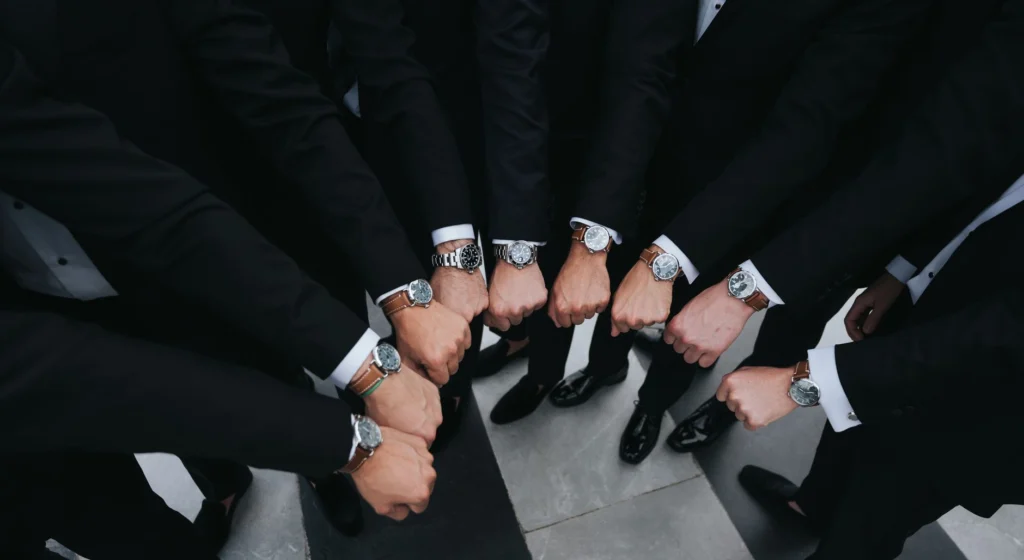
By pure timekeeping accuracy, an inexpensive quartz watch — or simply a smartphone — outperforms even the most expensive mechanical watch on the market, a fact serious watch enthusiasts and collectors readily acknowledge, because the value proposition of high-end mechanical watchmaking was never really about superior timekeeping in the first place.
Mechanical complexity as an end in itself
The core value in fine mechanical watchmaking lies in the sheer engineering complexity of building a mechanism that keeps reasonably accurate time using purely mechanical energy storage and regulation — hundreds of tiny, precisely machined and hand-finished components working together with no battery or electronic component at all — a genuinely difficult engineering and craft achievement that collectors value specifically because it’s mechanically impressive despite being, by any practical measure, an inferior timekeeping solution compared to modern electronics. Complications — additional mechanical functions beyond basic timekeeping, like a perpetual calendar that correctly accounts for leap years without manual adjustment, or a minute repeater that chimes the time audibly on mechanical demand — represent additional engineering achievement layered onto the base mechanism, and each additional complication meaningfully increases both the manufacturing difficulty and the price.
Heritage and brand history function as verified craft pedigree
A watch from a manufacturer with a documented, multi-generational history of watchmaking craft carries value tied directly to that verified heritage — collectors and serious buyers treat brand history as a genuine proxy for accumulated technical expertise and quality control standards refined over decades, similar to how wine collectors value a vineyard’s documented track record, which is part of why a watch from a storied manufacturer commands a premium over a technically comparable watch from a newer brand without that accumulated reputation.
Buying a fine mechanical watch for accurate timekeeping is a bit like buying a hand-forged sword for home defense. The function exists, but it was never really the point.
The collector market treats them as an alternative asset class
Beyond personal enjoyment, a segment of the luxury watch market functions as a genuine alternative investment asset class, with certain highly sought-after models from prestigious manufacturers appreciating substantially in secondary market value over time — a dynamic that’s attracted increasing institutional and analytical attention as a distinct collectibles market, complete with its own price indices and specialist auction houses, treating fine watches as a genuine store of value alongside their function as a wearable object.