

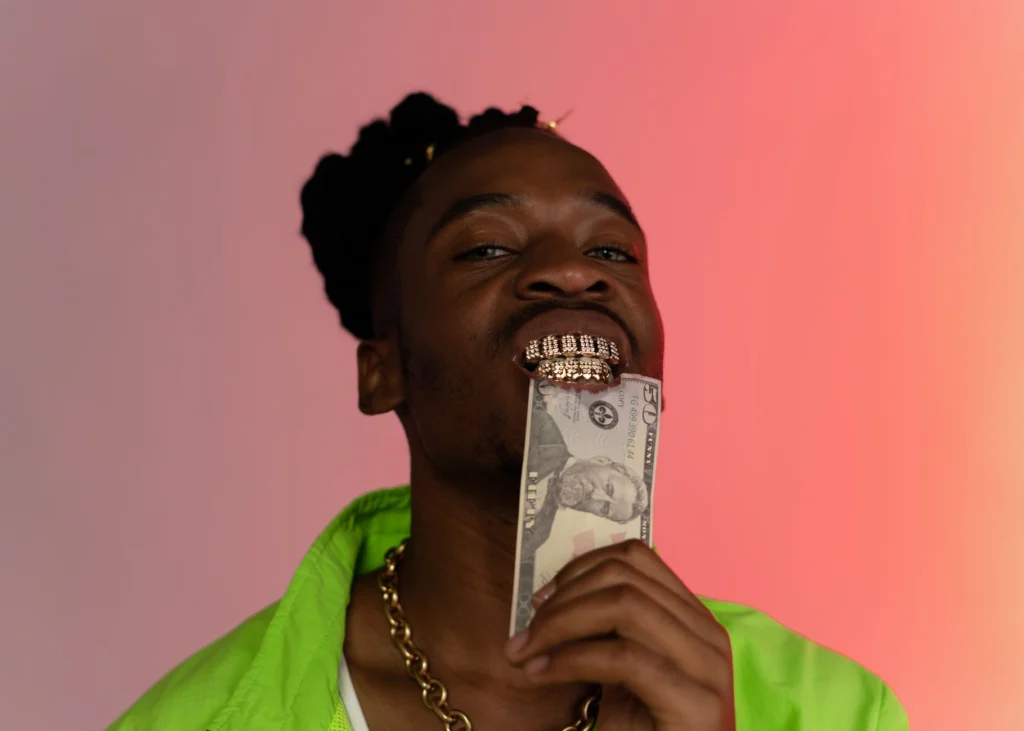
Hip-hop’s business evolution has consistently run ahead of the broader music industry’s shift away from recorded-music revenue, and understanding why traces back to the genre’s early structural position outside traditional label gatekeeping, which forced — and then rewarded — entrepreneurial approaches other genres adopted only much later.
The mixtape economy built an entrepreneurial culture early
Hip-hop’s mixtape culture, built around distributing music outside traditional retail and radio structures well before digital streaming made that normal industry-wide, gave artists early practice building direct audience relationships and alternative revenue models — merchandise, live appearances, direct fan sales — that other genres, more dependent on traditional label and radio gatekeeping, didn’t develop the same infrastructure or instinct for until streaming forced the broader industry to catch up decades later.
Artist-led brand extension became a genre norm, not an exception
Hip-hop artists have been disproportionately represented among musicians who successfully built major, independent business ventures beyond music — clothing lines, spirits brands, media companies, venture investment — a pattern that traces back partly to the genre’s cultural emphasis on entrepreneurship and ownership as an explicit value, often directly referenced in the music itself, and partly to the early mixtape-era experience of operating outside major-label revenue structures, which normalized building diversified income long before it became standard practice across the broader music industry.
Hip-hop didn’t just produce artists who happened to build successful businesses. It built a culture where doing so was an explicit, celebrated goal from the genre’s earliest commercial era.
Streaming-era ownership fights reflect the same underlying values
The genre’s continued emphasis on masters ownership and publishing rights — artists increasingly negotiating for ownership of their recorded catalog rather than accepting traditional label deals that transfer those rights — reflects the same underlying entrepreneurial and ownership-focused culture that shaped the genre’s earlier mixtape and brand-extension era, making hip-hop artists disproportionately prominent voices in the broader music industry’s ongoing conversation about artist compensation and rights in the streaming economy.