

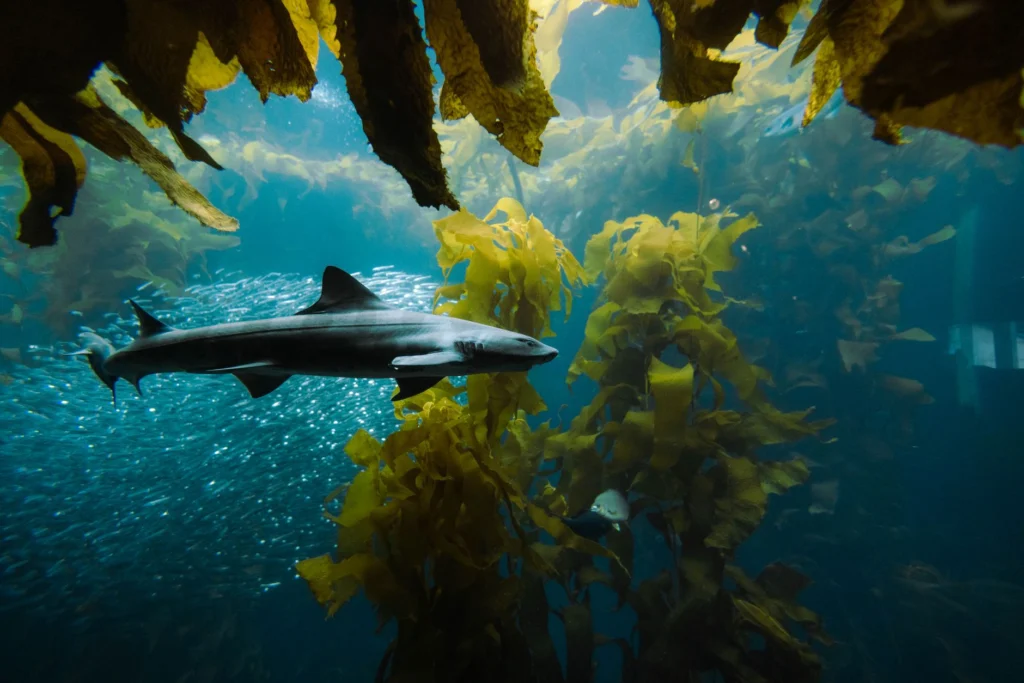
Few animals suffer from as large a gap between cultural perception and actual data as sharks — a gap that runs in a genuinely consequential direction, since the exaggerated fear shapes conservation attitudes toward animals that are, by the actual data, in vastly more danger from humans than humans are from them.
The actual numbers on shark attacks
Worldwide, confirmed unprovoked shark attacks on humans typically number in the range of several dozen to around a hundred per year globally, with fatalities usually in the low single digits to roughly a dozen — a genuinely small number relative to the scale of ocean recreation and swimming activity happening globally every year, and dramatically smaller than deaths from far more mundane, less feared causes like drowning generally, lightning strikes, or vending machine accidents, all of which kill more people annually in various documented comparisons than sharks do.
The threat runs overwhelmingly the other direction
Humans, by stark contrast, are estimated to kill on the order of 100 million sharks annually, primarily through commercial fishing — both targeted shark fishing (much of it for the shark fin trade) and, in a substantial share of cases, as unintentional bycatch in fishing operations targeting other species entirely. This scale of harvesting has driven measurable, significant population declines across numerous shark species, with a large proportion of assessed shark and ray species now classified as threatened with extinction by international conservation assessments — a genuinely severe conservation crisis that receives dramatically less public attention than the comparatively tiny risk sharks pose to humans.
The actual data inverts the popular narrative almost completely: the species framed as a predator to fear is, by an enormous margin, more threatened by humans than humans are threatened by it.
Why the ecological stakes matter beyond the species themselves
Sharks function as apex or near-apex predators in most ocean ecosystems they inhabit, and marine biologists have documented that significant shark population declines can trigger measurable cascading effects throughout an ecosystem’s food web — changes in prey species populations that in turn affect the health of coral reefs and other marine habitats, meaning the conservation stakes extend well beyond the shark populations themselves to the broader ocean ecosystems that depend on their ecological role being intact.