

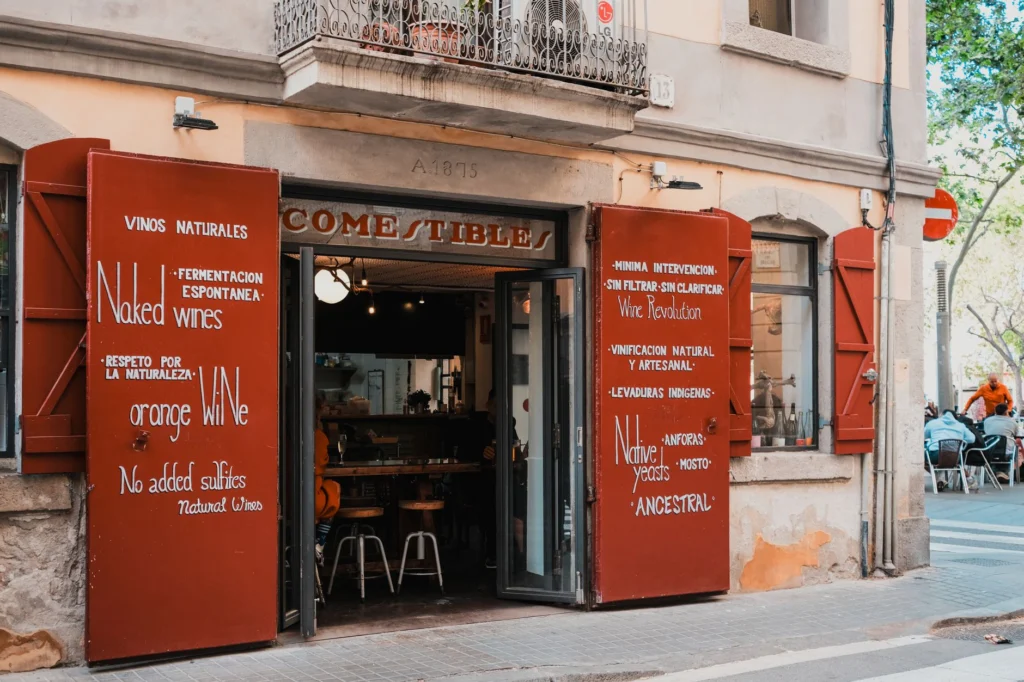
Uncorking the Truth: Debunking Myths About White Spanish Wine
Spanish wine is often reduced to Rioja and Tempranillo, but the country’s white wines deserve a closer look. The main misconceptions are easy to correct: most Spanish whites are dry, many are complex, and they pair with far more than seafood. The details below focus on the regions, grapes, and winemaking choices that shape the category.
Myth 1: White Spanish Wine Is Always Sweet
Most white Spanish wines are dry. Albariño from Rías Baixas is typically bone dry, with citrus, stone fruit, and a saline edge. Verdejo from Rueda is usually dry too, showing herbal notes, citrus, and a slightly bitter almond finish. Sweet styles exist, but they are a small part of the category. Check the label for terms such as seco, semi-seco, and dulce if sweetness matters to you.
Myth 2: White Spanish Wine Lacks Complexity
White Spanish wine covers a wide range of styles. Aged white Rioja, made mostly from Viura, can show nutty, oxidative notes and a creamy texture after extended oak aging. Wines from the Canary Islands can carry a smoky, mineral character from volcanic soils. Producers also use lees stirring, oak, concrete, and amphorae to build texture and layers. These are not simple wines by default; the style depends on the grape, site, and winemaking.
Myth 3: White Spanish Wine Is Only Good for Seafood
Seafood is a natural match for Albariño, especially with grilled octopus, shellfish, or ceviche. But the category is more flexible. Verdejo works with salads, vegetable dishes, and grilled chicken. Richer oaked white Rioja can handle roasted pork and heartier dishes. Cava, Spain’s sparkling wine, is made mainly from Macabeo, Xarel-lo, and Parellada, and its acidity makes it useful as an aperitif with appetizers and light meals.
Myth 4: All White Spanish Wine Is the Same
Spain has widely different climates and soils, and its white grapes reflect that. Albariño is Atlantic-influenced and aromatic. Verdejo comes from the high plains of Rueda. Godello from Valdeorras can show stone fruit, floral notes, and mineral tension. Viura is central to Rioja and Cava, while Xarel-lo brings pear, citrus, and toasty notes in Catalonia. Treating these as one style misses the point of the category.
Myth 5: White Spanish Wine Is Not Worth Aging
Many Spanish whites are best young and fresh, but not all. High-acid wines with structure can develop in bottle. Aged white Rioja is the clearest example, with nutty and creamy notes emerging over time. Some top Albariño and Godello can also gain depth with a few years of bottle age. Storage matters: keep bottles cool, dark, and at a stable temperature.
A Quick Comparison of White Spanish Wine Varieties
| Variety | Region | Flavor Profile | Food Pairing | Aging Potential |
|---|---|---|---|---|
| Albariño | Rías Baixas | Citrus, saline, stone fruit | Seafood, spicy Asian dishes | Moderate |
| Verdejo | Rueda | Herbaceous, bitter almond, citrus | Salads, grilled vegetables, chicken | Low to moderate |
| Godello | Valdeorras | Stone fruit, mineral, floral | Seafood, creamy sauces, poultry | Moderate to high |
| Viura (Macabeo) | Rioja | Apple, pear, almond | Tapas, light appetizers, Cava | Low to moderate, except aged Rioja |
| Xarel-lo | Catalonia | Pear, citrus, toasty notes | Seafood, paella, Cava | Moderate |
Conclusion: Embracing the Diversity of White Spanish Wine
White Spanish wine is not a single style. It ranges from young, saline Albariño to oaked white Rioja and mineral Godello. The next time you look at the Spanish section, check the grape and region rather than assuming the wine will be sweet or simple. The range is the point.
FAQ About White Spanish Wine
1. What are the main white grape varieties in Spain?
The main white varieties include Albariño, Verdejo, Godello, Viura (Macabeo), and Xarel-lo. Other important grapes include Parellada, Treixadura, and Moscatel, depending on the region.
2. What is the best way to store white Spanish wine?
Store bottles in a cool, dark place at a stable temperature, ideally between 50°F and 60°F (10°C and 15°C). Keep them away from heat and light. For long-term storage, lay bottles horizontally so the cork stays moist.
3. How can I tell if a white Spanish wine is sweet or dry?
Check the label for terms such as seco (dry), semi-seco (off-dry), and dulce (sweet). Alcohol by volume can offer a clue, but it is not a reliable sweetness indicator on its own. The label and the producer’s style are better guides.
If your company or product is mentioned in this article, you're welcome to share it.


