

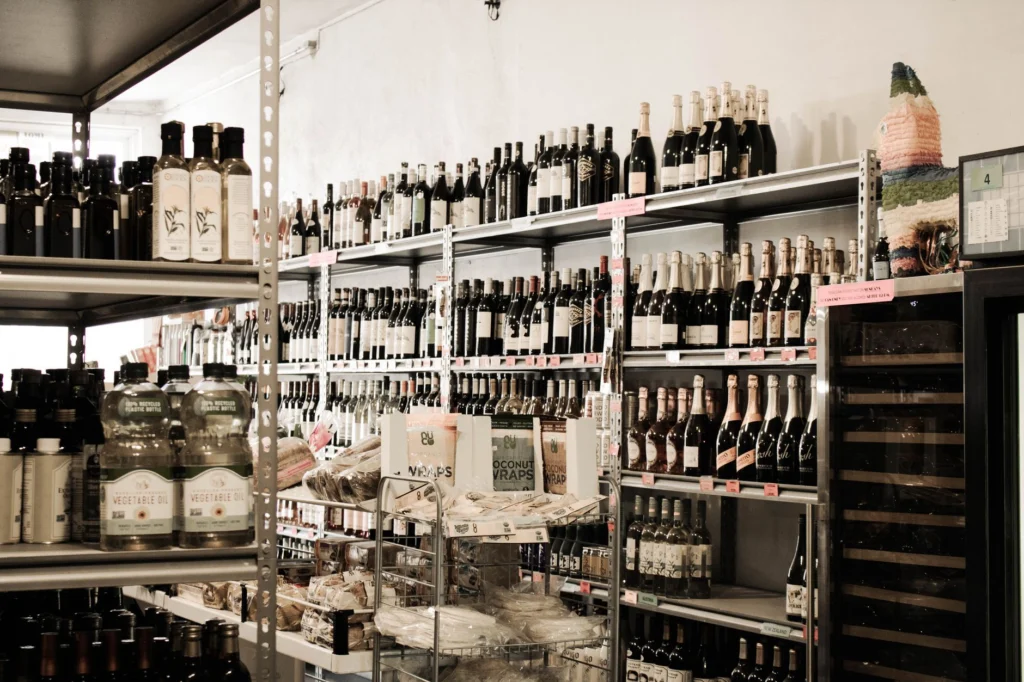
What natural wine means in practice
Natural wine is a loose term, not a regulated category in most markets. In practice it usually means grapes farmed organically or biodynamically, fermented with native yeasts, and made with minimal additions. Sulfites may be used at bottling by some producers, but many natural wines have little or none. Fining and filtration are often avoided. Because the term is not legally defined, a shop’s usefulness depends on how clearly it explains what each producer does.
1. Start with the styles you actually drink
Before you shop, note what you already like: crisp whites such as Muscadet or Riesling, light reds such as Gamay or Poulsard, skin-contact whites, or richer reds. Natural wine covers all of these, so ‘natural’ alone is not a style. If you are new, buy a mixed case from a shop with clear tasting notes or try a flight at a wine bar that pours natural wines. Bring one or two bottles you have liked to a shop and ask for close matches by region, grape, and winemaking style.
2. Research shops with specific evidence, not just star ratings
Search for natural wine shops in your city, then read reviews for details: whether staff ask about your taste, whether the shop lists producers and farming certifications, and whether it holds tastings. Check the shop’s website and social feeds for current bottles, not just lifestyle photos. A useful shop will name the importer, the grape, the region, and the producer’s approach. If a shop calls everything ‘natural’ without explaining farming, yeast, sulfites, or filtration, treat that as a warning sign.
3. Visit and ask direct questions
In person, look for a dedicated natural wine section or a shelf with clear producer notes. Ask staff which bottles are certified organic or biodynamic, which use native yeasts, and which have no added sulfites. Ask whether the wines are filtered or fined. Good staff will answer with specifics and will admit when a producer uses a small sulfite addition at bottling. They should also be able to recommend a bottle for your budget and the food you plan to serve.
4. Check certifications and labels
Certifications are not the same as ‘natural,’ but they are verifiable. Look for organic certification marks such as Ecocert, USDA Organic, or EU Organic, and biodynamic marks from Demeter or Biodyvin. These certify farming and, for biodynamic bodies, some winemaking rules. They do not guarantee zero sulfites or no filtration. For that, you need producer details. A shop that can separate certified farming from winemaking choices is more reliable than one that uses ‘natural’ as a single vague badge.
5. Compare price and value
Natural wines span a wide price range. Entry-level bottles often sit in the same range as conventional wines, while rare allocations and older-vintage bottles cost more. Compare prices for the same producer across shops, and ask about mixed-case discounts. Value is not just the lowest price: a shop that gives accurate advice and stores wine properly is worth paying a little more for. Avoid shops that keep natural wines near heat or bright light, especially bottles with low sulfites.
6. Build a useful relationship with the shop
Once you find a shop you trust, return with feedback on what you opened. Staff can use that to steer your next purchase. Join the mailing list for new arrivals and tastings, and attend tastings when they focus on a region or producer you are curious about. Ask for bottles that are ready to drink now versus bottles to hold. A good relationship turns a broad, confusing category into a short list of producers you can follow.
What to check before you buy
- Producer and importer are named on the label or shelf talker.
- Farming is certified organic or biodynamic, or the shop can explain the grower’s practices.
- The shop can tell you whether native yeasts were used and whether sulfites were added.
- The bottle is stored away from heat and direct light.
- Staff ask about your taste and food pairing rather than pushing the most expensive bottle.
FAQ
What defines natural wine?
There is no single legal definition in most markets. It generally means minimal intervention: organically or biodynamically farmed grapes, native yeast fermentation, and few or no additives. Some producers add a small amount of sulfites at bottling, so ask for details rather than relying on the word ‘natural.’
Are natural wines always more expensive?
No. Lower yields and small-production winemaking can raise prices, but many natural wines are priced alongside conventional wines. Compare the same producer across shops and look for mixed-case discounts.
How can I tell if a shop is reliable?
A reliable shop gives specific answers about farming, yeast, sulfites, filtration, and storage. It names producers and importers, and it does not treat ‘natural’ as a substitute for information. Reviews can help, but an in-person conversation is the best test.
If your company or product is mentioned in this article, you're welcome to share it.


