

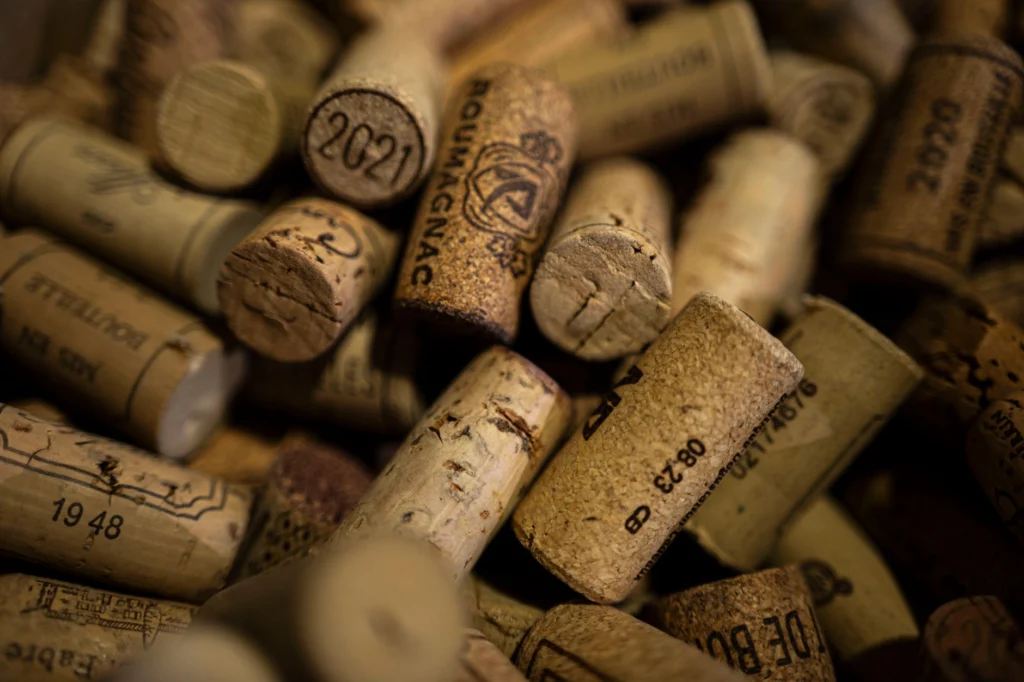
Assess how much wine you actually drink
Bulk buying only saves money if the wine gets drunk. Start with a rough count: bottles opened in a typical month, plus entertaining and gifts. A household that opens two bottles a week goes through about eight cases a year. That number tells you whether a case discount is useful or whether you are just moving inventory from a retailer to your closet. Also decide which styles you actually finish. A mixed case is safer than twelve bottles of one ambitious red. Set a budget per bottle and a total spend, and measure storage before ordering. A standard case holds 12 bottles and takes up roughly a cubic foot, but you also need room to keep bottles horizontal and away from heat.
Find suppliers that discount by the case
Local wine shops are often the best starting point because they can mix a case and still apply a discount. Ask what the case price is, whether it applies to mixed bottles, and whether there is a further break at two or three cases. Online retailers can have wider selection, but check shipping cost, state restrictions, and whether the discount survives delivery. Wineries and wine clubs can offer good direct prices, especially on closeout vintages, but compare the all-in cost. Before committing, check the retailer’s return policy and whether it has a track record for proper packing and temperature control in transit.
Understand the discount structure
Bulk pricing usually comes in tiers. A case discount may be 10 to 20 percent off the single-bottle price, with a larger break at two cases or more. Mixed cases are common at independent shops, but the discount may be smaller than on a solid case of one wine. Seasonal clearance, end-of-vintage sales, and importer closeouts can beat standard case pricing, though selection is limited. If you are buying directly from a winery or a local shop, ask whether the price is firm. A polite request for a case price is normal; demanding a discount on a single bottle is not.
Check quality before you commit
Read reviews from critics you trust, but treat scores as a filter, not a guarantee. If you can taste before buying, do it. If not, buy one bottle or a small mixed pack first. Check the vintage: a weak year in a region you like may still be fine from a producer that sorted aggressively, but it is not the moment to buy three cases blind. Awards and high ratings can help, but they are most useful when you know the critic’s palate. For everyday bulk buying, consistency matters more than a single impressive score.
Store it properly or do not buy it
Wine needs a steady 55 to 65 degrees Fahrenheit, roughly 13 to 18 degrees Celsius, and humidity around 50 to 70 percent. Keep bottles out of direct sunlight and away from artificial light that generates heat. Store them horizontally so the cork stays moist, and avoid vibration from appliances or a busy stairwell. A dark closet away from the kitchen can work for short-term storage. For regular bulk buying, a wine fridge or a cool cellar is the more reliable option. Do not stack cases against an exterior wall that heats up in summer.
Choose the bulk format that fits
Bottled wine is the default, but it is not the only bulk option. Boxed wine and bag-in-box stay fresh for weeks after opening because the bag collapses as wine is poured. That makes them useful for house wine, parties, and cooking. Keg wine is efficient for events and bars, but it requires a tap system and a plan for drinking it within a few weeks of tapping. Buying barrels is a specialist route for aging and customization, not a simple cost-saving move. Each format has trade-offs in shelf life, storage, and serving equipment.
Track inventory so nothing goes missing
A simple spreadsheet is enough: producer, wine, vintage, quantity, purchase date, and storage location. Wine apps can scan labels and track drinking windows, but the habit matters more than the tool. Label cases with the purchase date, especially if you buy the same wine across vintages. Rotate stock so older bottles are drunk first, and review the list before your next order. The goal is to avoid discovering a case of white wine two summers after you bought it.
Know the legal and shipping rules
Alcohol rules vary by state and country. Check limits on how much you can buy, store, or receive by shipment. If you order online, confirm that the retailer ships to your address and that someone of legal age can sign for delivery. Taxes may be charged at purchase or on delivery, and they can change the math on a case discount. For large orders or commercial storage, ask the retailer or a local alcohol control office about permits and limits.
Pair and share without overcomplicating it
Red wine suits red meat, stews, and aged cheese. White wine works with seafood, poultry, and salads. Rosé is useful with light appetizers, grilled vegetables, and Mediterranean food. Sparkling wine can start a meal or finish it. These are starting points, not rules. The practical benefit of a stocked collection is that you can open the right bottle for dinner without a special trip. Share cases with friends or split mixed orders if twelve bottles of one wine is too many.
Retail vs. bulk buying at a glance
| Feature | Retail purchase | Bulk purchase |
|---|---|---|
| Price per bottle | Higher | Lower, usually through case or tiered discounts |
| Selection | Limited to shelf stock | Wider, especially online or direct |
| Storage needs | Minimal | Significant; needs steady temperature and space |
| Risk | Lower; you can buy one bottle | Higher; you must be confident in the wine |
| Convenience | High; buy as needed | Lower; requires planning and inventory |
FAQ
How much can I save by buying wine in bulk?
Savings vary by wine and retailer, but case discounts often fall in the 15 to 30 percent range. Closeout and tiered discounts can be larger, while mixed cases may be smaller.
What are the main risks?
Buying wine you do not like, running out of proper storage, and letting bottles spoil. Sample first, buy mixed cases, and keep inventory.
Is a wine fridge worth it?
If you buy by the case regularly, yes. A wine fridge holds a steady temperature and humidity better than most closets or kitchens.
Conclusion
Bulk wine buying works when it is planned around what you drink, where you can store it, and what the all-in price actually is. A case discount is not a saving if the wine sits in a warm room for a year. Start with a mixed case, confirm the storage, and track what you open. Then scale up only when the numbers and the space make sense.
If your company or product is mentioned in this article, you're welcome to share it.


