

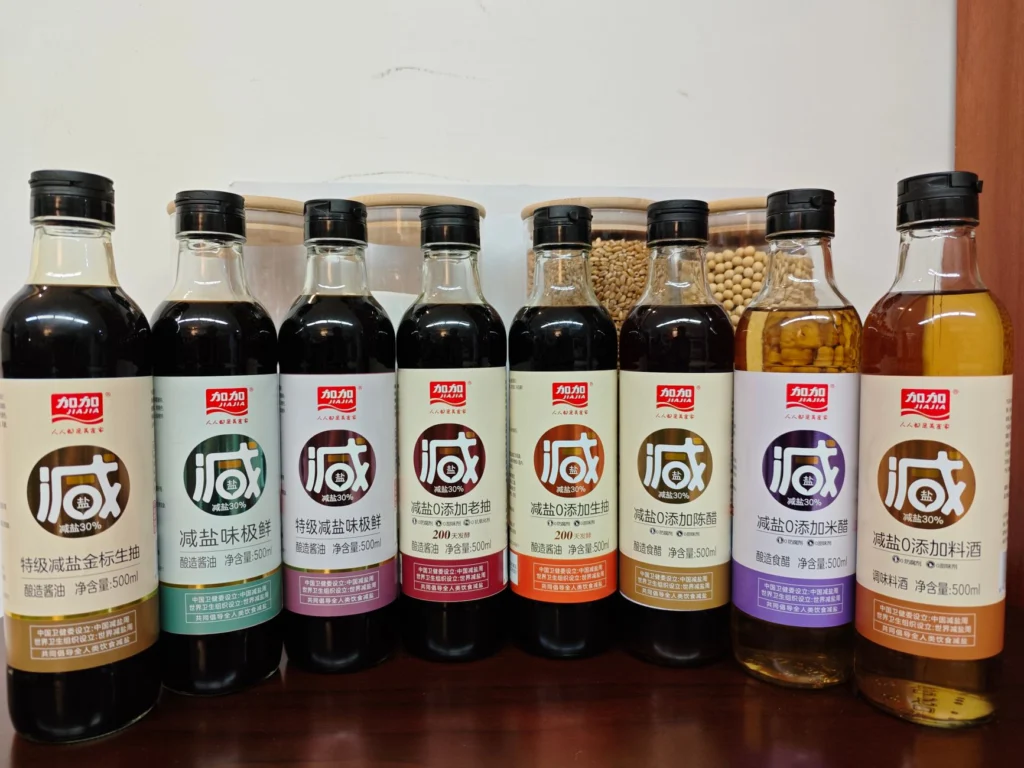
Rice Wine Vinegar vs. Chinese Cooking Wine
Rice wine vinegar and Chinese cooking wine both start with rice, but they do different jobs in the kitchen. One is an acid; the other is an aromatic cooking wine. Treating them as interchangeable is the most common mistake in this comparison.
Flavor and function
Rice wine vinegar is fermented rice wine that has turned acidic. It tastes tangy and slightly sweet, with a clean bite. Use it where you want brightness or acid: sushi rice, salad dressings, quick pickles, marinades, and dipping sauces. Japanese rice vinegar is mild and slightly sweet. Chinese rice vinegars are usually sharper; white rice vinegar is neutral and sharp, red rice vinegar is darker and more assertive, and black rice vinegar (Chinkiang) is malty, smoky, and slightly sweet.
Chinese cooking wine is a fermented rice wine used to season food. Shaoxing wine is the best-known type: savory, aromatic, lightly nutty, and slightly sweet. It goes into stir-fries, braises, marinades, and sauces, often added at the wok edge so the alcohol cooks off and the aroma blooms. Mijiu is another rice wine used in Chinese cooking. Cooking-grade Shaoxing is often salted and labeled as cooking wine; do not treat it as a drinking wine.
Why substitutions fail
If you swap rice wine vinegar for Shaoxing wine, the dish will taste sour and thin. If you swap Shaoxing wine for rice wine vinegar in a dressing, the dressing will taste boozy and unbalanced. The two ingredients are not close cousins in the pan. For acid, use rice wine vinegar. For savory depth and aroma, use Chinese cooking wine.
Types at a glance
| Feature | Rice wine vinegar | Chinese cooking wine |
|---|---|---|
| Main role | Acid and brightness | Aroma and savory depth |
| Flavor | Tangy, slightly sweet | Savory, aromatic, lightly nutty |
| Common uses | Sushi rice, dressings, pickles, marinades | Stir-fries, braises, sauces, marinades |
| Common types | Japanese rice vinegar; Chinese white, red, black | Shaoxing, mijiu |
| Alcohol | Very low to none | Typically 15-20% before cooking; cooking versions may be salted |
| Substitute with care | Other mild vinegars, adjusted for acidity | Dry sherry or cooking sake, adjusted for sweetness and salt |
How they are made
Rice wine vinegar is made by fermenting rice wine into acetic acid. The rice type, starter, and aging time shape the final vinegar. Chinese cooking wine is fermented from rice, water, and a starter culture, often wheat-based. Shaoxing wine can age for years, which builds its nutty, savory character. Some cooking wines are salted to avoid beverage taxes and to make them shelf-stable; check the label, because that salt affects seasoning.
Practical use
Use rice wine vinegar sparingly and taste as you go. Its acidity can overwhelm a dish, so balance it with sugar, soy sauce, or oil. Add Chinese cooking wine early in stir-fries or braises to cook off the raw alcohol, or use it in marinades. Start with a small amount; Shaoxing is potent. Store both in a cool, dark place. Vinegar keeps for years unopened and about a year or two after opening. Cooking wine should be treated like a pantry wine and checked for salt and alcohol content.
FAQ
Can I use regular white vinegar instead of rice wine vinegar?
Only in a pinch. White vinegar is harsher and lacks the mild sweetness of rice vinegar. Use less and add a little sugar if the dish needs balance.
What is a good substitute for Shaoxing wine?
Dry sherry is the closest common substitute, but it is often sweeter, so reduce any added sugar. Cooking sake works but has a different aroma. If your Shaoxing is salted, adjust the salt in the recipe.
How long does rice wine vinegar last?
Unopened, it keeps for several years. After opening, aim to use it within a year or two for the best flavor.
If your company or product is mentioned in this article, you're welcome to share it.


