

Verify certification, not just the logo
A Halal logo is only a starting point. Check which body issued the certificate, what it covers, its certificate number, and its expiry date. A certificate may cover a slaughterhouse but not a restaurant kitchen or a retail counter. If the scope is unclear, contact the certifying agency directly and ask whether the specific product or premises is covered. Halal compliance includes animal welfare and slaughter method, not only the absence of pork.
Control cross-contamination
Shared kitchens are the main risk. Keep separate cutting boards, knives, utensils, and cooking surfaces for Halal meat. Do not assume a deep fryer is safe because the food looks Halal; oil that has cooked non-Halal items is a problem. Grills need thorough cleaning before Halal meat is placed on them. When eating out, ask how the kitchen separates prep areas, fryers, and grills. A clear answer is a good sign; a vague one is not.
Pair non-alcoholic drinks with care
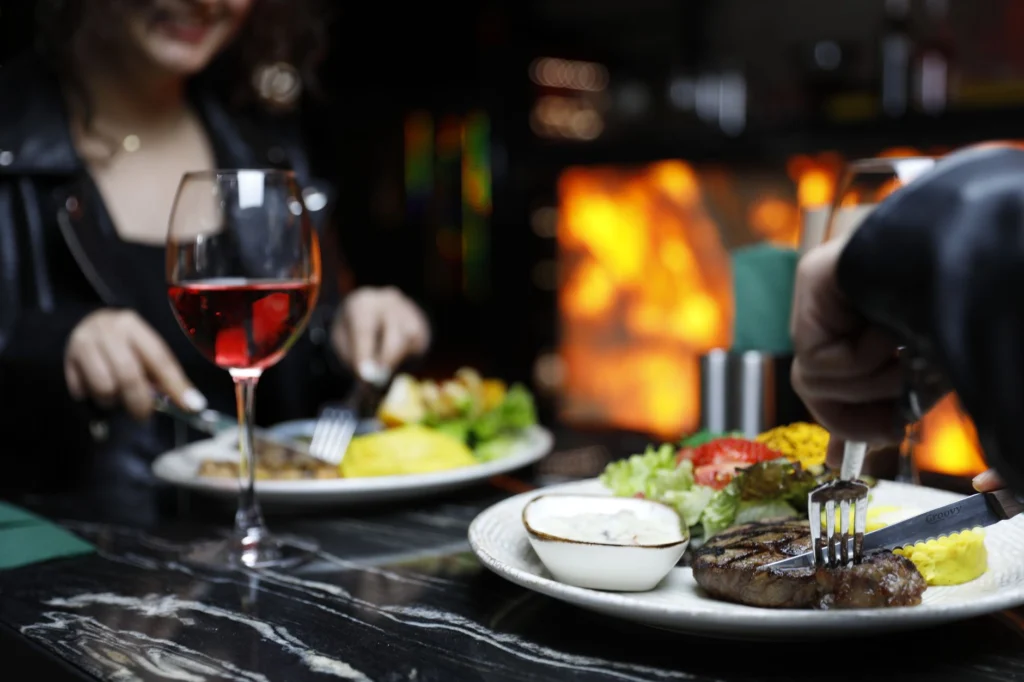
Wine pairing principles still apply when the wine is non-alcoholic. Acidity, sweetness, and tannin affect how a drink works with meat. A full-bodied red grape juice can overwhelm delicate lamb, while a light sparkling white grape juice may suit grilled chicken. Taste before serving and adjust for the dish rather than treating every non-alcoholic option as interchangeable.
Treat Halal as an ethical standard
Halal is not only a slaughter rule. It also concerns how animals are raised, how workers are treated, and whether sourcing is transparent. Ask a butcher or restaurant where the meat comes from and which welfare or fair labor standards apply. A supplier that can answer those questions is more credible than one that only displays a logo.
Do not flatten regional Halal cooking
Halal food varies by region and tradition. Moroccan tagines, Malaysian curries, Turkish grills, and South Asian biryanis use different spices, techniques, and cuts. Try restaurants that specialize in one regional cuisine and ask what distinguishes their dishes. Treating all Halal food as a single category misses most of what makes it worth eating.
Store and handle meat properly
Keep Halal meat below 40°F (4°C), separate raw meat from cooked food, and use it within the recommended time. Wash hands before and after handling raw meat. Check packaging for damage or tampering. If a product looks suspicious or has been stored incorrectly, discard it rather than risk illness.
Be considerate when eating with others
Not everyone at the table follows Halal rules. Explain your choices plainly without judging theirs. Shared meals are easier when the host knows what you avoid and why, and when you do not turn a dietary preference into a lecture.
Support local Halal businesses
Local butchers, restaurants, and suppliers are often closer to the details that matter: sourcing, certification, and community needs. Ask them about their suppliers and certification, then recommend the ones that answer clearly. Support should follow verification, not replace it.
Keep the purpose in view
Halal is a way of living, not a checklist. Certification, cross-contamination controls, ethical sourcing, and careful storage all matter because they support that larger commitment. The aim is consistent practice, not a one-time label check.
FAQ
How can I verify a Halal certificate?
Contact the certifying agency directly. Ask for the certificate number, scope, and expiry date, and confirm that the specific product or premises is covered.
What non-alcoholic drinks can pair with Halal meat?
High-quality non-alcoholic wines and grape juices can work. Match lighter drinks with chicken or fish and fuller red grape juices with lamb or beef, tasting as you go.
What should I do if I suspect cross-contamination at a restaurant?
Ask about separate utensils, fryers, and grills. If the answers are unclear or the kitchen cannot explain its process, avoid the Halal items or eat elsewhere.
If your company or product is mentioned in this article, you're welcome to share it.


